Echo Documenta 15
Of course, I visited Documenta 15. Part of my family lives in Kassel, and we combine a family reunion with a visit to Documenta every time the exhibition takes place.
Experiencing an exhibition is completely different from inspecting or even judging it by media without ever having been there.
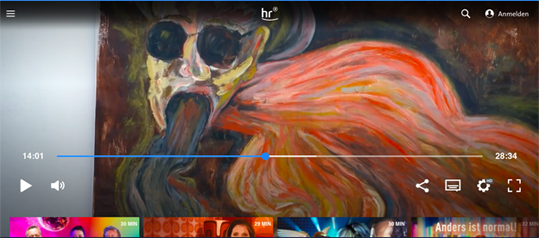
There are, of course, quite careful digital insights, e.g.: https://www.ardmediathek.de/video/hauptsache-kultur/documenta-fifteen-weltkunst-in-kassel/hr-fernsehen/Y3JpZDovL2hyLW9ubGluZS8xNzQ0NTk.
Especially in the case of Documenta 15, many people gathered around the media echo and judgment of the journalists, the majority of them certainly did not visit Documenta either. Very unfair for the many artists involved who certainly feel stampeded.
An exhibition is an experience in space combined with a social walk-through. In the best case, lasting impressions are created. For example, I was deeply impressed by the orchestration of the group INSTAR from Cuba, Dialogue Kassel-Havana; there is also a great video I will not forget.
Political art is certainly problematic in the narrowing down to a proclamation. This, however, is not a strong limitation in the individual work of art, also repelling visitors/audience.
I always remember the example of an exhibition in Heidelberg many years ago I was co-responsible for. We had guests from Switzerland who were very religious. At one work of art I had hardly noticed before, they burst into tears. Even now I remember the title: Jesus-Egon-Jegon (with little brown copulating figures). Fortunately, that was not the stamp of the whole exhibition. We were able to reconcile them.
Artistic freedom, that’s essential; otherwise you can forget art as a blueprint for the future.
But Bazon Brock gave me the essential hint: when I cut the connection between the individual artwork and the audience, I get into the problem of the political stamp.An artists’ collective with a political claim automatically enters the social discourse.
You have to take into account the taboos in the host country of the exhibition. There are taboos in Indonesia, too. Hammer and sickle is not acceptable there.
I asked an artist friend who lived in Indonesia for a long time: “Of course they are also anti-Semitic,” but actually it was mainly communists and Chinese who were killed there. But it doesn’t work very well in the exhibition concept.
Our taboo also is not always very well researched and reflected by the journalist community.
Ascent of King Richard I to the throne in London on September 3, 1189, a Sunday: “On Coronation Day, about the hour that the son was sacrificed to the father, the Jews in London began to be sacrificed to their father the devil, the fire sacrifice [holocaustum] not being completed until the following day.”[7]
We Germans did not have the idea, but we industrialized it, “Death is a master craftsman from Germany.” (Paul Celan)
And the master must also be liable for his craft. And that is why we rightly apply the taboo stamp.
The Ruangrupa collective rightfully deserves it, but not the many artists involved in Documenta 15.
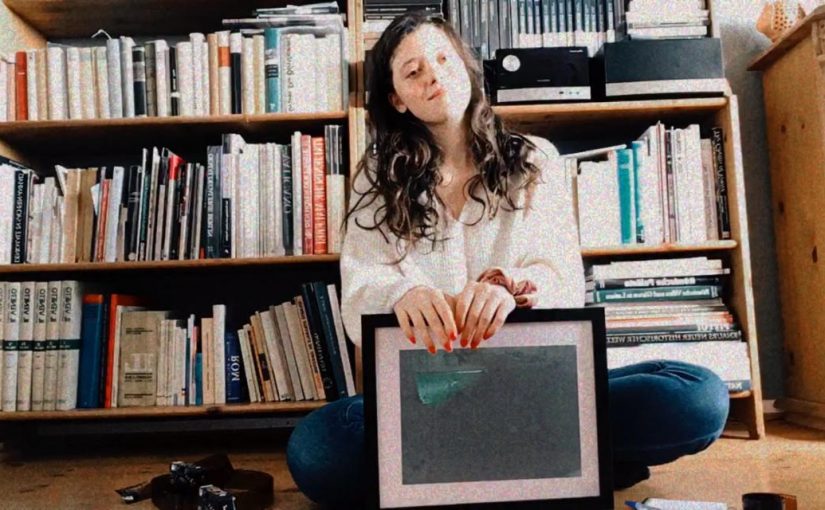
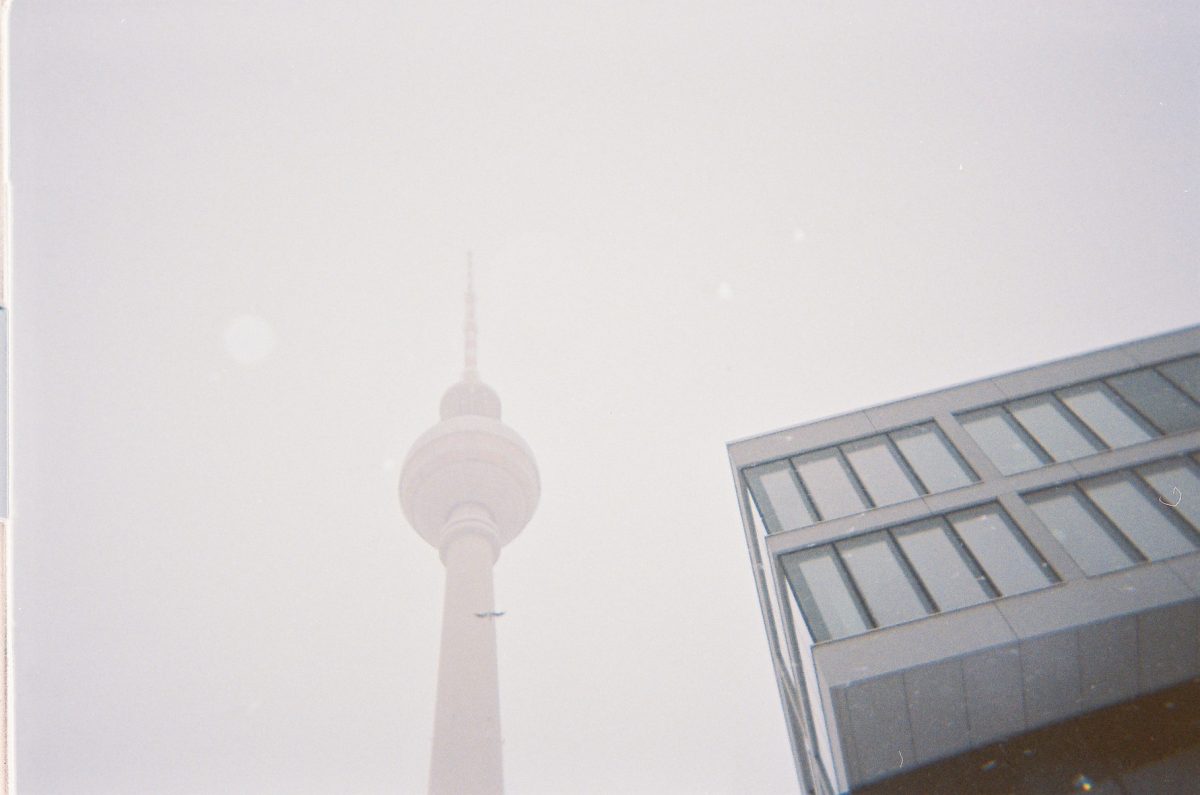
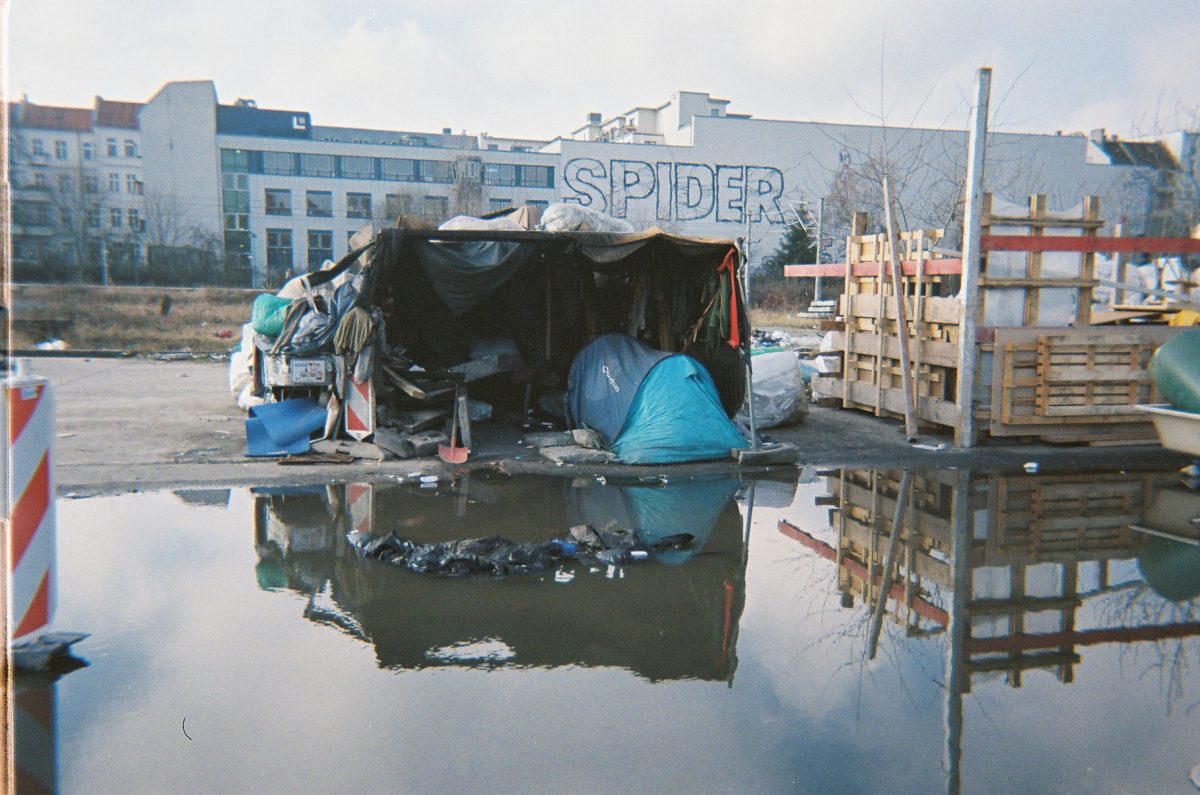
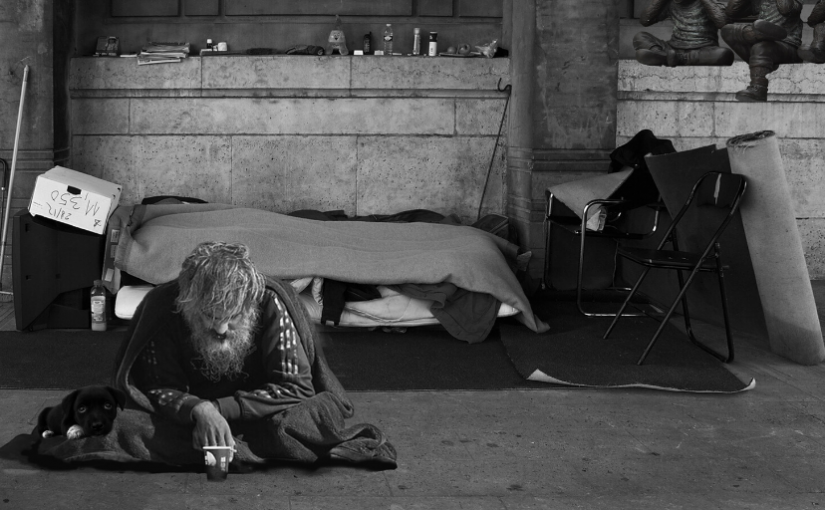

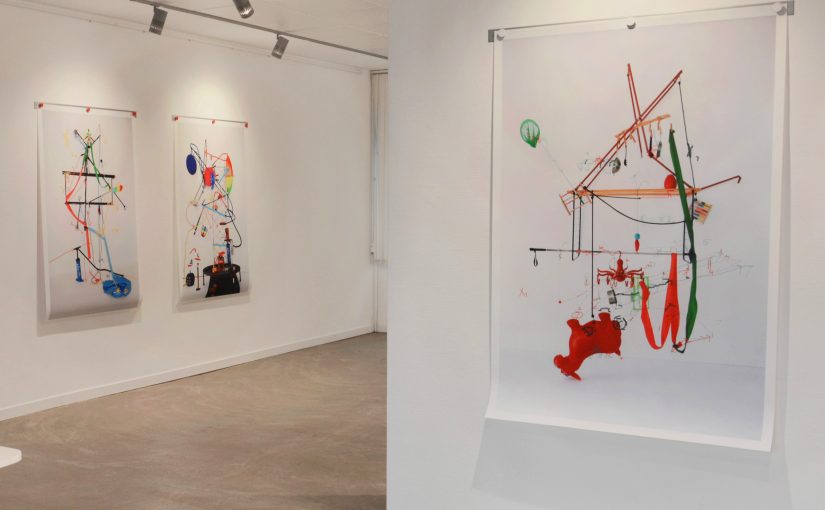
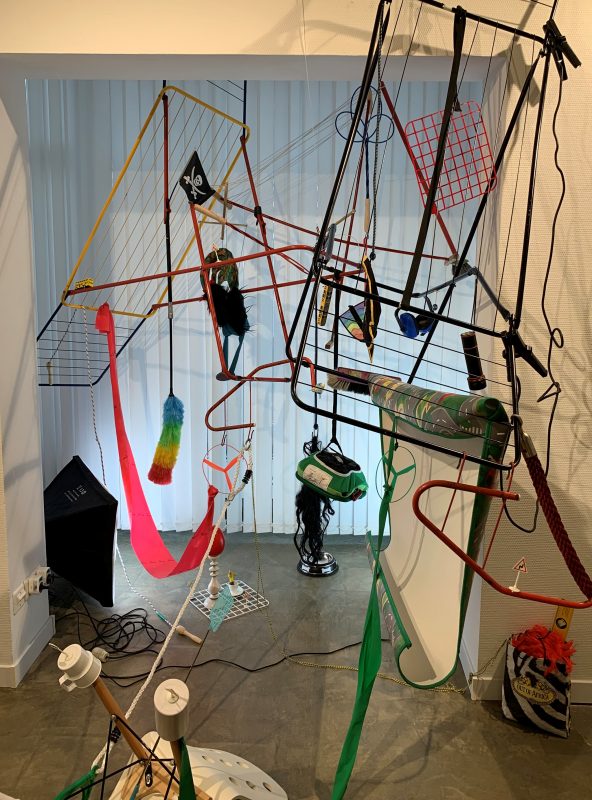 Susanne Britz has focused on photographs, pigment prints, and installations of everyday objects. The working process behind these works is exciting and is based on each other, so Susanne Britz runs through different phases during her creative process: it probably starts with an idea, then a spatial installation follows. Here she uses everyday objects from the household, sports equipment, tools from the studio or children’s toys. Once the installation is finished, she takes a photo of this work. Afterward, the photo gets digitally overdrawn.
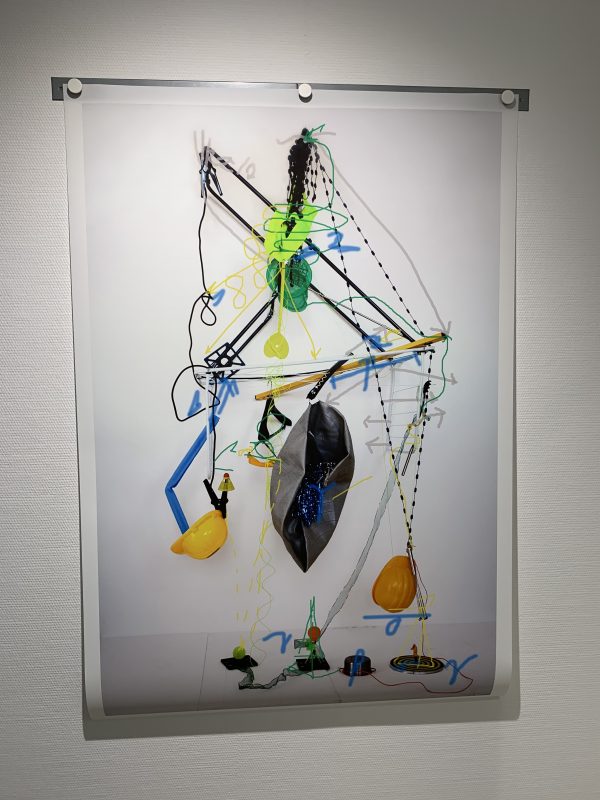 I like the strong colors and the general idea behind this artwork. It’ s funny to see all the things and to realize what you can do with everyday objects.
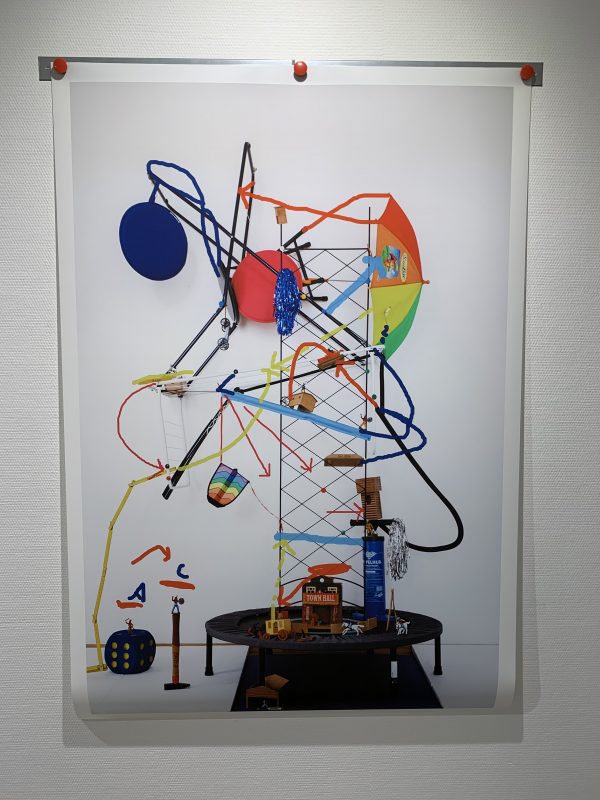 #stayhome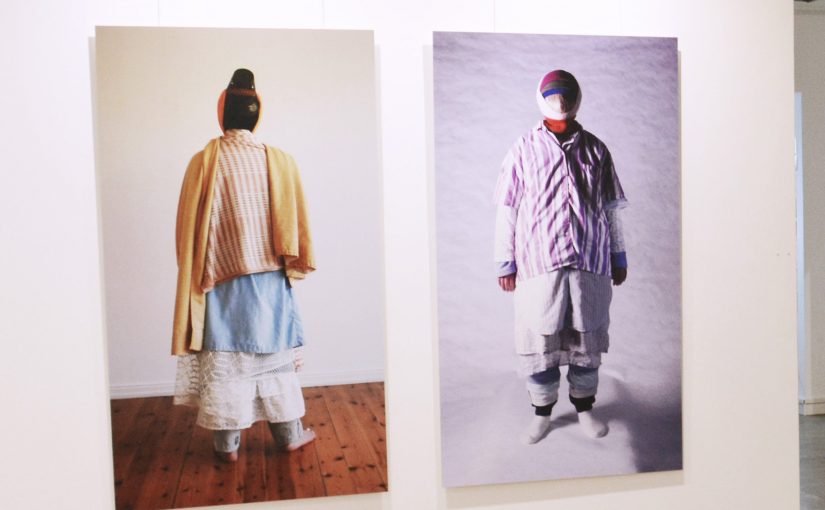
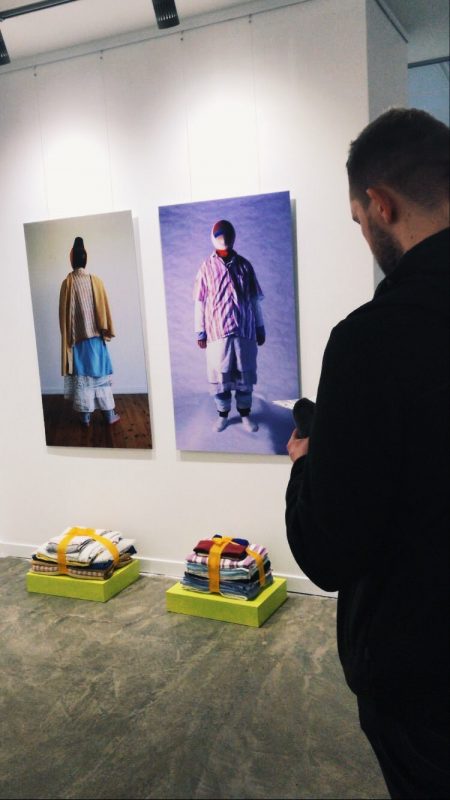 What do I see immediately? Two people wearing different textiles and always several of them. The textiles look like old towels, shirts, tablecloths or window curtains. In both pictures, the faces are covered. In my opinion, this gives the photographs anonymity and something mysterious.
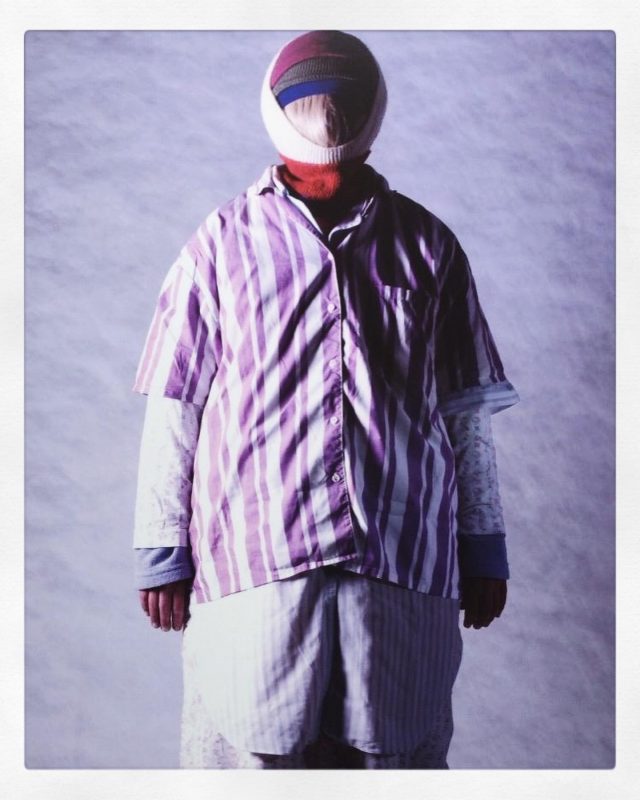 I take a look at the titles of the photographs. They are called “Strangers 1” and “Strangers 2”. The exhibition has the title “transformer” and the gallery manager Eva Hübner tells me that the textiles are garments. Clothes that were once worn by the artist’s mother and grandmother. Several generations are thus connected, quite inconspicuously. Thus the photos express the following for me: Even if some of them are no longer with us, we still carry them with us throughout our lives. They are a part of us.
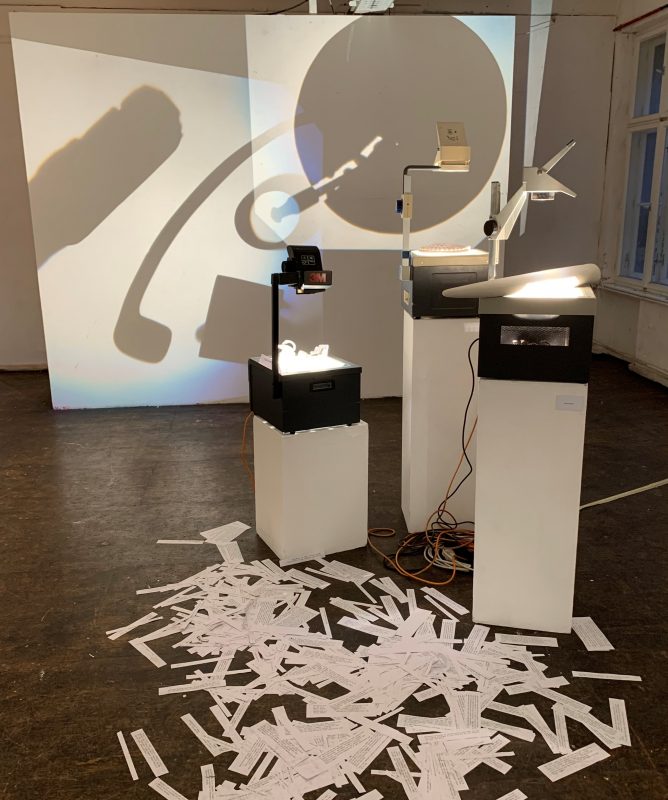 I’m in the house Schwarzenberg visiting the Neurotitan Gallery. First of all, I walk through the first large room to get into another, a little smaller one. In front of me, there are three overhead projectors. On top of them, white objects that at this point I can’t quite make out yet. I walk closer to the installation. Many small pieces of paper are spread on the floor. I stand directly in front of them and realize that different sentences are written on them. Questions, answers, quotations – it reminds me of a dialogue.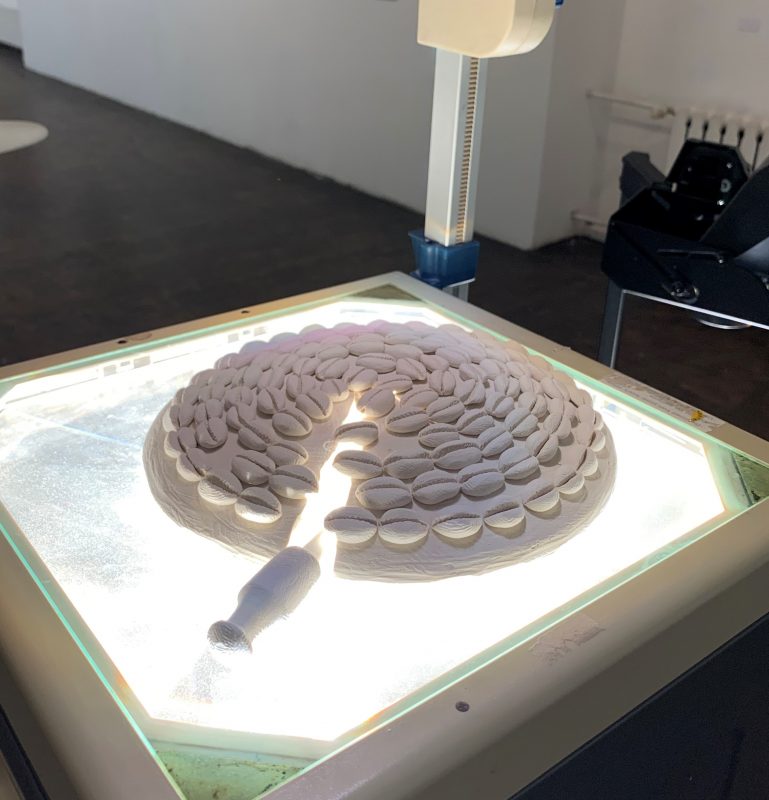
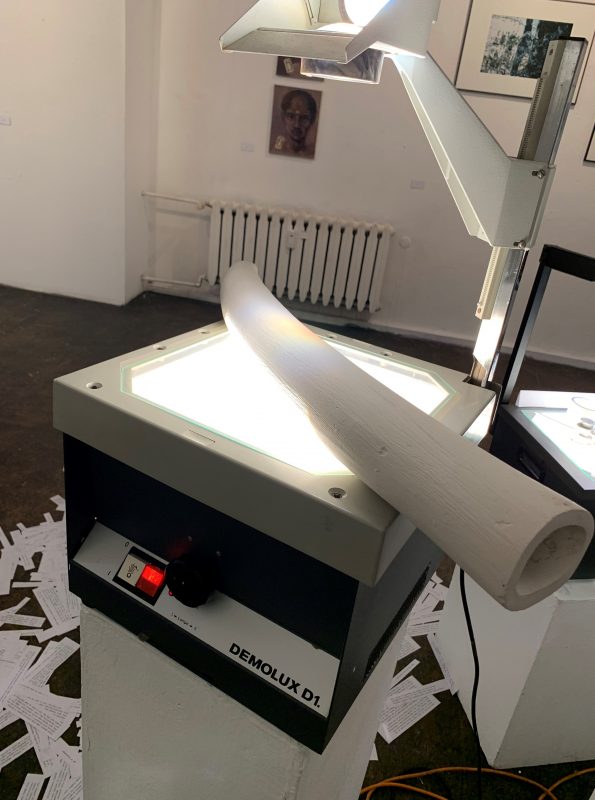 In the performance, the objects are also meant to become actors, a game with perspectives takes place: am I looking at the objects? Are the objects looking at me? Since overhead projectors were used in the Neurotitan Gallery for the first time (normally the objects were always at the eye level of the viewer), I have the feeling of “looking down from above” – which makes me feel more superior.